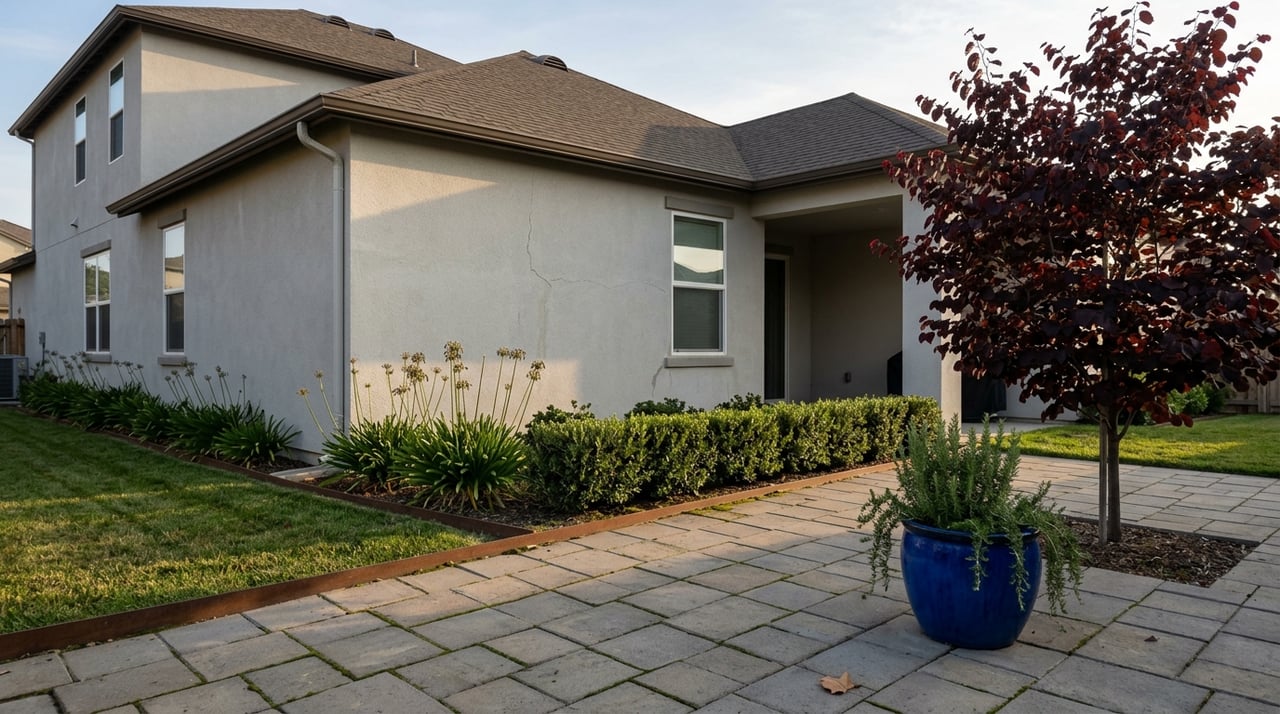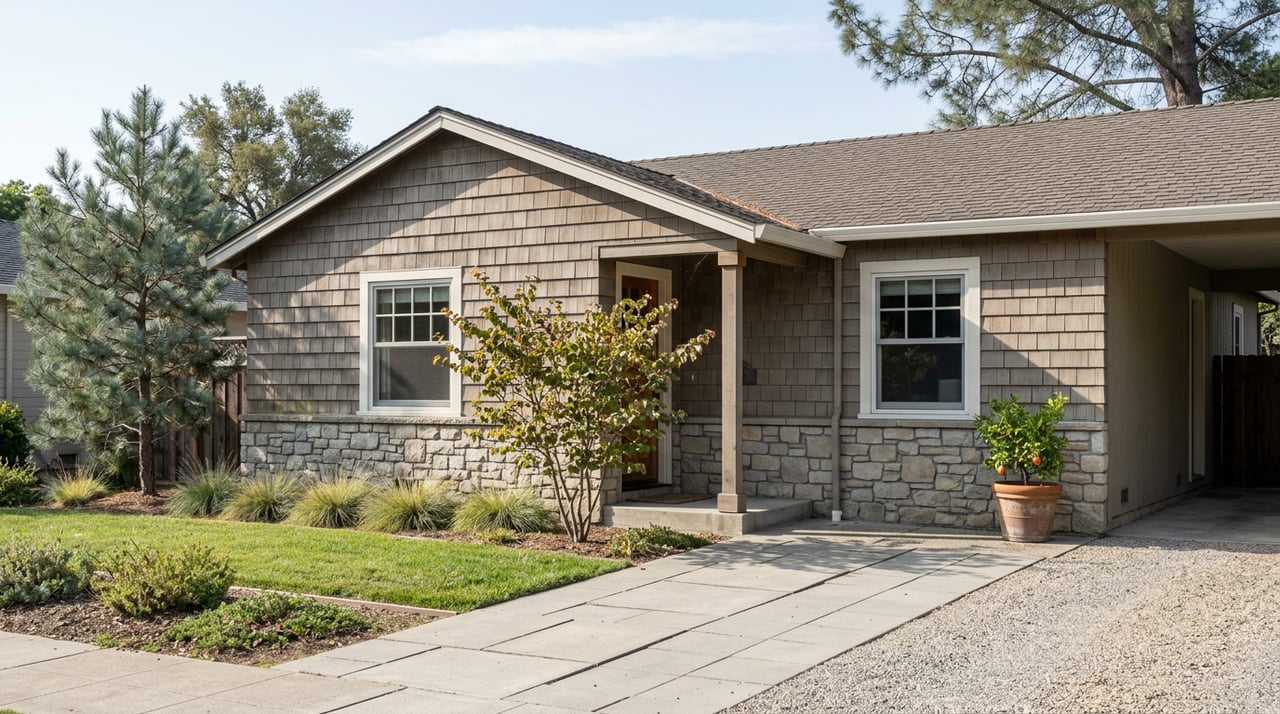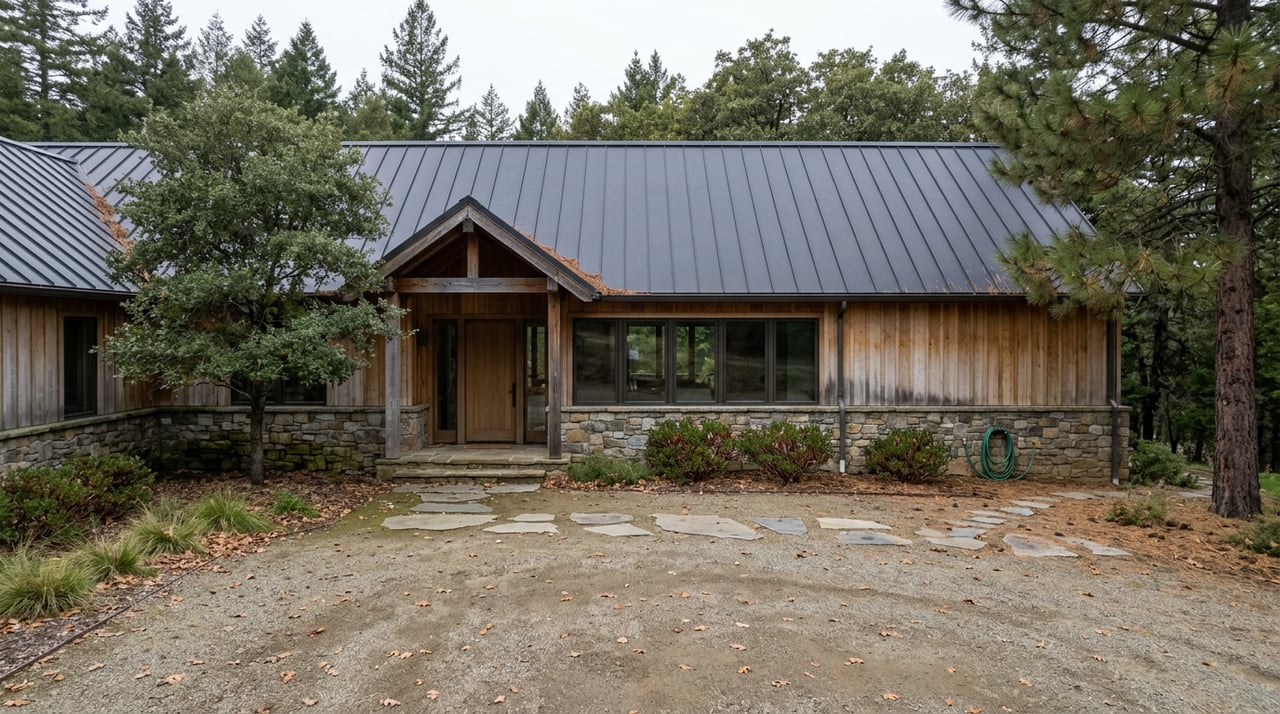
Walk two blocks in Nevada City and you can pass two homes built the same decade, priced within a few thousand dollars of each other, and headed toward completely different water bills starting January 1. Not because one has a bigger yard or a leaky toilet. Because of which agency's meter sits at the curb.
Most buyers assume "Nevada City" means one water system. It does not. The city has confirmed on its own utility billing page that water and sewer service depends on where a specific property sits, and that some homes inside city limits get their water from the Nevada Irrigation District while the City of Nevada City handles their sewer. Two neighbors on the same street can be billed by two different agencies, on two different rate schedules, and only one of those schedules just changed.
One Address, Two Possible Purveyors
Nevada City runs its own water system, drawn from Deer Creek, and has historically supplemented that supply by purchasing surplus water from NID during dry years. That arrangement means the city is not simply a customer of NID passed through at a markup. It is a separate utility with its own costs, its own infrastructure, and its own rate logic.
There is also a maintenance detail buyers rarely ask about until something goes wrong. The city's own water and wastewater guidance is explicit that while the city maintains the main sewer lines, the sewer lateral, the pipe connecting an individual house to that main, is the property owner's responsibility to repair, even where that lateral crosses someone else's lot on the way to the street. On an older home in the historic core, that is not a hypothetical. It is a line item that shows up during a pre-listing sewer scope or, worse, after close of escrow.
So before a buyer ever gets to the question of monthly rates, there is a more basic one worth asking on every showing: does this specific parcel get water from the city, from NID, or in a few outlying pockets near the edge of town, from a private well? The city's sphere of influence documents note that parcels on the periphery may still rely on wells and septic systems rather than either public utility, since they were never built out with city service in the first place.
What Just Changed, and When
On August 6, 2026, the NID board of directors approved a 9 percent rate increase for both treated and irrigation water customers, effective January 1, 2027. That is the district's first rate increase in six years. The last time NID moved rates at all was a three-year plan set in 2019 that totaled just over 17 percent across those three years, so the district tends to move in blocks rather than small annual nudges, which matters for anyone doing ten-year math on carrying costs.
For a typical household on a 5/8-inch treated water meter using 5 HCF (500 cubic feet) a month, the increase works out to about $3.90 a month starting in 2027. For larger lots and acreage properties on NID's irrigation service, the increase runs closer to $13.61 a month during the six-month irrigation season for a customer using one miner's inch of summer water.
| Customer type | 2027 increase | Who this affects |
|---|---|---|
| Treated water, 5/8-inch meter, 5 HCF/month | About $3.90/month | Typical single-family home on NID treated water |
| Irrigation, one miner's inch, summer billing | About $13.61/month (six-month season) | Larger parcels and acreage properties on NID irrigation service |
Part of what is driving the increase is concrete and specific to this district: the Scotts Flat Spillway, built in the late 1940s, has been classified as high hazard by the state's Division of Safety of Dams and is now the subject of a replacement project estimated at $55 million. NID serves close to 19,800 water connections across Nevada, Placer, and Yuba counties, which means that project cost gets spread across a large customer base rather than concentrated on any one town, but it is still the single biggest line item behind the rate change.
Why 9 Percent Isn't the Number to Watch
Here is the part that actually matters for anyone comparing a house on NID water against a house on city water over a five or ten year hold. NID's Proposition 218 process, completed at a public hearing on May 27, 2026, authorized the board to raise rates by as much as 12.5 percent a year for up to five years if it chose to. Under Prop 218, stopping that authorization would have required a majority of all ratepayers, 12,537 protest letters, to formally object. NID received 3,105.
That means the board had the legal room to charge the full 12.5 percent for 2027 and did not. Instead it set the rate at 9 percent, backed by a one-time transfer of about $1.28 million from the district's hydroelectric fund into the water fund specifically to soften the impact for this year. NID's own reporting on the decision notes that deferring the higher increase will leave the district needing to backfill roughly $8.6 million in lost revenue between 2027 and 2031.
NID Assistant General Manager Greg Jones framed the tradeoff this way when the board made its decision:
"Our responsibility is to provide safe, reliable water today while making the investments necessary to ensure that same reliability for future generations."
Read that alongside the math and the takeaway is not that NID solved its cost problem with a smaller number. It bought itself one cheaper year using a fund that will not always have that kind of surplus sitting in it. The 12.5 percent ceiling is still standing authorization through 2031. A buyer weighing a home on NID water against a nearly identical home on city water should treat 9 percent as this year's number, not as the number.
The Question to Ask Before You Write an Offer
This is not a reason to avoid a house. It is a reason to ask a specific question at the right moment instead of assuming based on the street name.
- Ask directly, for this parcel, whether water is billed by the City of Nevada City or by NID, and whether sewer service comes from the same agency or a different one.
- Request the seller's last twelve months of water and sewer statements as part of your disclosure review, the same way you would ask for utility bills on any home you are seriously evaluating.
- If the home is near the edge of town, confirm whether it is on a private well and septic system rather than either public utility, since some parcels in the city's outer sphere were never connected to either system.
- Ask whether the sewer lateral connecting the house to the main has ever been scoped, particularly on older homes in the historic core, since that repair cost sits with the owner, not the city.
- If you are closing in the second half of 2026, factor the January 1, 2027 NID rate change into your first full year of carrying costs rather than assuming your first bill reflects a stable, ongoing number.
None of this is a reason to walk away from a Nevada City listing. It is a reason to ask one more question than the listing sheet answers, at the point in the process where the answer still changes your decision.
A Couple of Questions I Get Asked
Does being on NID water instead of city water make a home worth less? Not on its own. The dollar difference in this particular rate increase is modest for a typical household. What matters more is knowing which system serves the house before you close, so the number on your first bill doesn't surprise you, and so you can weigh it the same way you'd weigh any other recurring cost.
How do I actually find out which utility serves a specific address? Ask the seller for recent statements, and if those aren't available, contact the City of Nevada City's utility billing office or NID's customer service department directly with the parcel address. Either agency can confirm who bills that specific property.
I built this brand around a simple idea: sellers and buyers deserve a clear answer to the questions that actually affect their numbers, not just the ones a listing photo happens to show. If you're comparing homes in Nevada City and want to know what you're actually signing up for before you write an offer, Talk to Bill First.