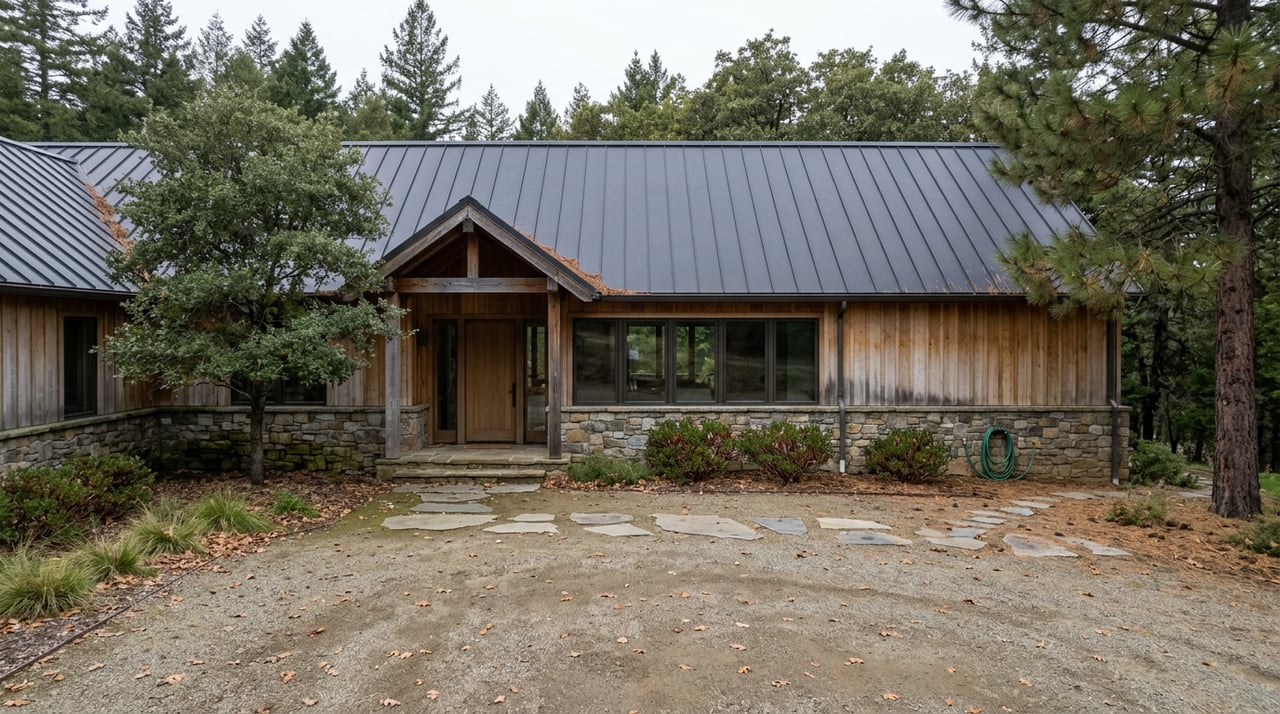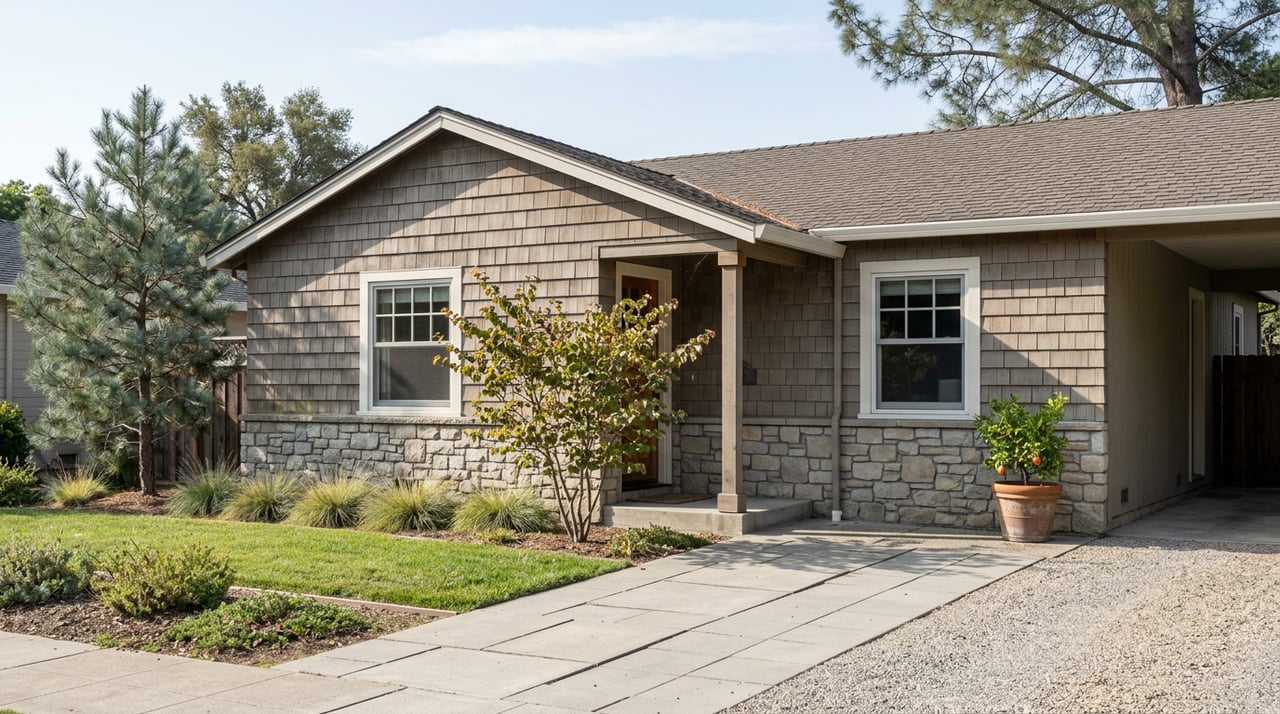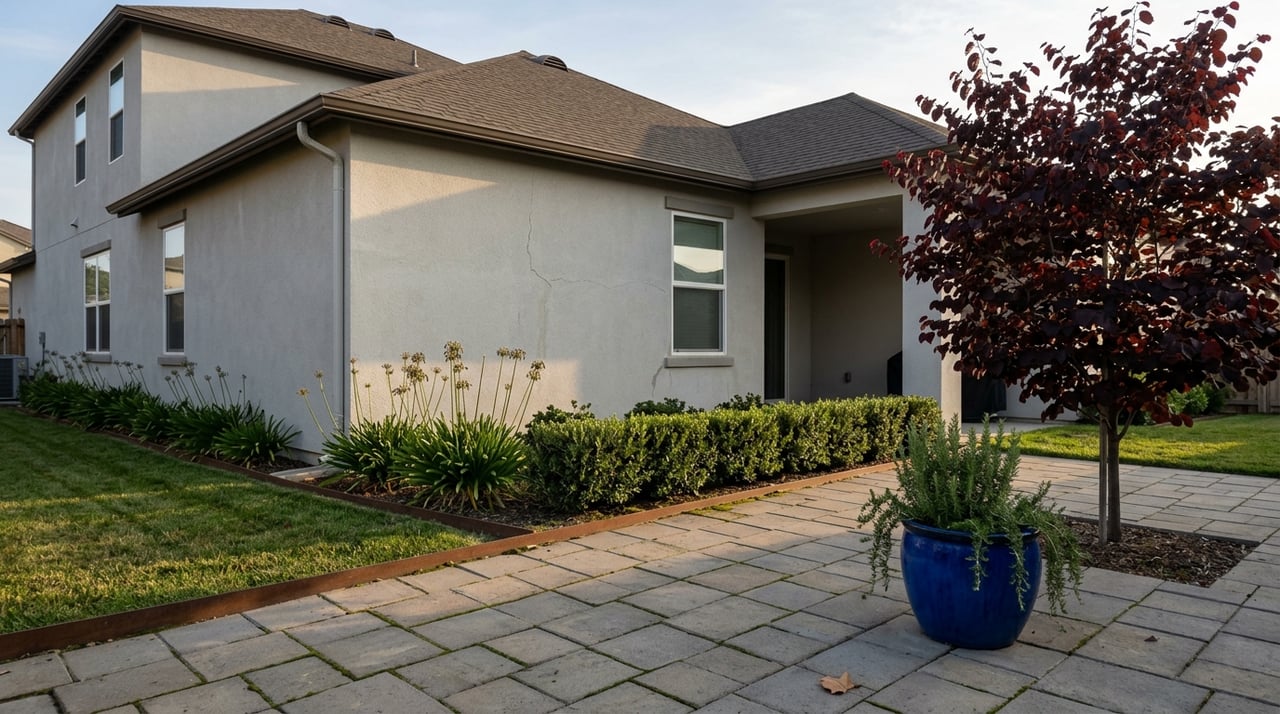
Two houses on the same street in Rocklin sold within a few months of each other this year. Same floor plan, same builder, same square footage. One had solar the seller owned outright, installed in 2022. The other had solar under a lease signed in early 2026. The first sale closed in about a month with a straightforward appraisal. The second sale ran into a lender who flagged the panels during underwriting, added a solar company review to the closing checklist, and pushed the timeline out several weeks while the buyer's loan officer sorted out whether the lease payment counted against debt-to-income.
Same roof. Same panels, more or less. Completely different transaction.
That gap is the thing worth understanding if you own a home in Rocklin or Roseville built any time after 2020, because California's Title 24 energy code has required solar photovoltaic systems on nearly every newly constructed single-family home since January 1, 2020. If your house is in Whitney Ranch, Fiddyment Farm, West Roseville, Highland Reserve, or any of the other planned communities that went up over the last five or six years, you almost certainly have solar. The question that actually matters when you sell isn't whether the panels are there. It's who owns them, and when they were connected to the grid, because three separate deadlines just closed within months of each other and they changed what those two answers are worth.
Owned and Leased Are Different Transactions, Not Different Features
A lot of sellers think of solar as one line on the listing sheet. Buyers' lenders don't see it that way. If you own the system outright, it's part of the house, the same as the roof or the HVAC. If you're leasing it or paying under a power purchase agreement, the buyer is inheriting a separate monthly obligation from a third-party solar company, and that changes the paperwork on both sides of the table.
The mechanics are specific enough to trip people up. When you signed a solar lease, the company likely filed a UCC-1 financing statement, a public notice that they retain ownership of the equipment. That's not a property lien, but title companies and lenders see "UCC-1" on a title search and sometimes treat it like one anyway, which slows things down even though it shouldn't legally stop the sale. Some lenders count the lease payment as a debt obligation that affects the buyer's qualifying ratio. A few have simply declined to finance a home with an active solar lien on title until it's resolved. None of this is fatal to a deal, but all of it takes time, and lease transfers commonly add two to four weeks to closing because both the solar company and the buyer's lender need to review and approve the assignment.
If you'd rather clear it before listing, buying out the lease is the other path, and the number varies a lot. Depending on the company, the system size, and how many years are left on the contract, buyout figures run anywhere from around $5,000 to $40,000 or more. Get that number in writing before you decide anything, and do it before you list, not after you're already in escrow with a buyer who's counting on a clean transfer.
Three Deadlines Closed in 2026, and They Didn't Close Quietly
This year is different from a normal resale year because three separate clocks on residential solar all ran out within a few months of each other. None of them made headlines the way a rate hike does, but together they reset what a given system on a given roof is actually worth to a buyer.
| What closed | When | What it means for a seller |
|---|---|---|
| Federal 30% solar tax credit | Expired December 31, 2025 | A new owned system now costs more out of pocket, which makes an existing owned system on your roof more valuable to a buyer who can't recreate that credit today |
| NEM 2.0 grandfathering window | Closed April 15, 2026 | Systems that interconnected before April 15, 2023 and reached Permission to Operate by the 2026 deadline keep the older, better export rate. Systems that missed it are locked into NEM 3.0's lower export compensation |
| PG&E Base Services Charge | Started March 2026 | A new fixed monthly charge, roughly $24, layered on top of usage, alongside a lower per-kWh rate, which shifts the math toward self-consumption and battery storage rather than exporting power back to the grid |
Put together, a home with an owned system that locked in NEM 2.0 rates before the window closed is sitting on genuinely different economics than a home with a 2026 lease running under NEM 3.0 and the new fixed charge. The panels can look identical from the driveway. The value they carry into a sale is not identical at all, and it hasn't been since roughly the first half of this year.
What This Does at the Appraisal
In this market, owned solar can add measurable value, in the range of $15,000 to $20,000 according to local appraisal patterns. Leased solar generally doesn't move the appraisal at all, because the buyer isn't gaining an asset, they're assuming a payment. That distinction matters more this year than it did two years ago, precisely because the tax credit that made new ownership cheaper is gone and the export rate that made older systems more valuable just got locked in or lost for good depending on your interconnection date.
If you're not sure which category your system falls into, that's the first thing to find out, not the last. Pull your original solar agreement and look specifically for the transfer, assignment, and buyout clauses before you talk to anyone about listing.
The HOA Layer Rocklin Sellers Sometimes Forget
If your home sits in one of Rocklin's planned communities, there's a second document trail worth checking early. Homeowners associations in these neighborhoods generally require architectural committee approval for solar installations, though state law prevents an HOA from denying solar outright. In practice, most approvals in Rocklin communities come back within seven to fourteen days when the paperwork is in order. That's a manageable window if you're planning ahead, and a frustrating one if it surfaces for the first time during a buyer's inspection period. If your listing disclosures don't already include the HOA's solar approval on file, get a copy before you go live.
Before You List: A Short Checklist
A few steps make this whole conversation shorter for a buyer's lender:
- Confirm in writing whether your system is owned, leased, or under a PPA, and if you don't have the original paperwork, request it from the solar company directly
- If leased, get the exact buyout figure and the transfer approval process in writing before you accept an offer
- Check your interconnection date against the NEM 2.0 cutoff, since it affects how a buyer's future utility bill will actually look
- Have your HOA's solar approval documentation ready alongside your standard disclosures
- If your roof is more than a few years from replacement, address it now. Panels have to come off and go back on for roof work, and that's an expensive complication to discover mid-escrow rather than before you list
None of this is complicated once you know it's there. Most sellers just don't know to look until a lender's underwriter finds it first.
Questions I Get About Solar and Resale
What if I genuinely don't know whether my solar is owned or leased? Check your monthly mortgage statement and your utility bill first. If you're making a separate payment to a solar company that isn't part of your mortgage, you're very likely in a lease or PPA. If you're not sure, the solar company's customer service can confirm your account status directly.
Does any of this matter if I'm buying rather than selling? It matters just as much. If you're looking at a home with existing solar, ask the same three questions before you write an offer: owned or leased, what year it interconnected, and what the current lease balance or buyout figure is. That information changes your real monthly cost of the house.
What about homes built before 2020 that were never required to have solar? Those homes aren't affected by the Title 24 mandate at all, and any solar on them was added voluntarily, which usually means it was more likely purchased outright. Still worth confirming ownership status the same way, since older voluntary installations sometimes carry leases too.
If you're weighing a sale in Rocklin or Roseville and you're not sure what your solar situation actually means for your net proceeds or your closing timeline, that's exactly the kind of question worth working through before you list rather than after. Segers Home Services Group prices listings with a flat $8,400 fee and no percentage tied to your sale price, so getting this right protects your numbers, not mine. Talk to Bill first.